
How to design indoor–outdoor flow that actually works
- pullinpropertydeve
- Feb 4
- 2 min read
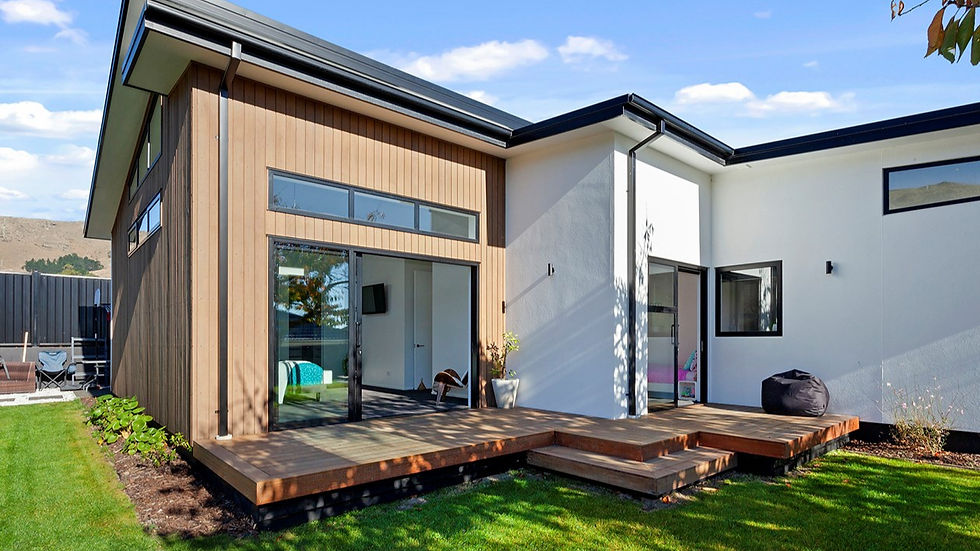
Indoor–outdoor flow is often talked about as a must-have feature, but in practice, it’s about much more than simply adding large sliding doors. When designed well, indoor–outdoor flow improves how you live in your home every day, making spaces feel more connected, functional, and enjoyable year-round.
For Canterbury homes, good indoor–outdoor flow needs to account for climate, layout, and how the space will actually be used, not just how it looks.
Aligning spaces naturally
The most effective indoor–outdoor flow starts with thoughtful layout design. Living, dining, and kitchen areas should connect logically to the outdoor space so moving between them feels natural and effortless. When indoor and outdoor areas are aligned, outdoor spaces become a true extension of the home rather than a separate zone that only gets used occasionally.
Keeping levels and access practical
Floor levels play a big role in how seamless indoor–outdoor flow feels. Minimising steps and keeping levels consistent between inside and outside makes spaces easier to use and safer over time. Wide door openings and clear access points also improve usability, particularly for long-term living or aging-in-place considerations.
Choosing materials that work together
Using complementary materials inside and out helps visually connect the spaces. Similar colours, textures, or finishes can make outdoor areas feel like a continuation of the interior rather than a separate environment. Material choices should also suit Canterbury conditions, with durable, low-maintenance options that can handle temperature changes, moisture, and sun exposure.
Designing for shelter and comfort
Good indoor–outdoor flow doesn’t stop at the doorway. Outdoor spaces need protection from wind, rain, and strong sun to be truly usable. Features such as covered areas, pergolas, or partial screening allow outdoor living areas to be enjoyed in more seasons, not just during summer.
Thinking about real-life use
A well-designed space supports everyday living, not just entertaining. Consider how furniture will be arranged, how the space will be used during different times of the day, and how it connects to the rest of the home. Outdoor areas that are practical and comfortable are far more likely to be used regularly.
Designing with the whole home in mind
Successful indoor–outdoor flow comes from looking at the home as a whole. Layout, access, materials, and shelter all work together to create spaces that feel cohesive and functional. Pullin Property designs homes and renovations where indoor and outdoor living genuinely work together, creating spaces that suit Canterbury lifestyles and stand the test of time.


Comments