
Renovating a Pre-2008 Canterbury Home: Essential Tips and Expectations
Renovating a home built before 2008 in Canterbury offers a unique chance to blend classic charm with modern comforts. However, these homes often come with specific challenges that can surprise even experienced renovators. Understanding what to expect can save time, money, and stress. This guide walks you through the key points to consider before starting your renovation journey.
Understanding the Age and Style of Your Home
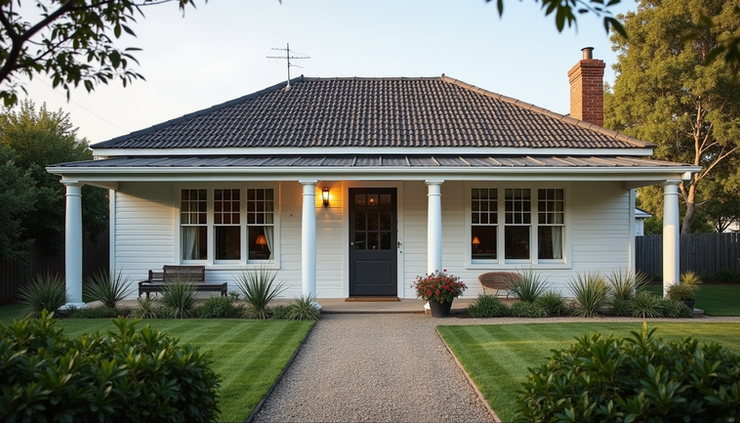
Homes built before 2008 in Canterbury often reflect architectural styles and building methods that differ from today’s standards. Many feature timber framing, weatherboard cladding, and older insulation materials. These elements contribute to the home’s character but may also require updates to meet current building codes and energy efficiency expectations.
Key Features to Identify
Timber framing and weatherboard cladding: Common in Canterbury homes, these materials may need treatment or replacement due to wear or pest damage.
Single-glazed windows: Older windows can cause heat loss and may need upgrading to double glazing.
Original plumbing and wiring: Electrical systems and plumbing might not comply with modern safety standards.
Insulation: Many pre-2008 homes have minimal or outdated insulation, affecting comfort and energy bills.
Knowing these features helps you plan your renovation budget and timeline realistically.
Assessing Structural Integrity and Building Code Compliance
Before any renovation, a thorough inspection by a qualified professional is essential. Structural issues such as foundation settling, timber rot, or earthquake damage can be hidden behind walls or under floors. Canterbury’s seismic activity means older homes may require strengthening to comply with current earthquake standards.
What to Expect During Inspection
Foundation and framing checks: Look for cracks, moisture damage, or termite infestation.
Roof condition: Inspect for leaks, damaged tiles, or weakened support beams.
Compliance gaps: Identify areas where the home does not meet current building codes, especially for earthquake resilience.
Addressing these issues early prevents costly surprises during renovation and ensures your home is safe and durable.
Planning for Energy Efficiency Improvements
Energy efficiency is a major focus in modern renovations. Pre-2008 Canterbury homes often lack adequate insulation, efficient heating, and ventilation systems. Upgrading these can improve comfort and reduce energy costs.
Practical Upgrades to Consider
Installing ceiling and underfloor insulation: This can significantly reduce heat loss.
Replacing single-glazed windows with double glazing: Improves thermal performance and noise reduction.
Upgrading heating systems: Consider heat pumps or efficient wood burners suited to Canterbury’s climate.
Improving ventilation: Proper airflow reduces moisture buildup and improves indoor air quality.
These upgrades may qualify for government grants or incentives, so check current programs before starting.
Managing Heritage and Planning Restrictions
Some pre-2008 homes in Canterbury may fall under heritage protection or local planning rules that limit changes to the exterior or structure. It’s important to check with your local council before making major alterations.
Steps to Navigate Restrictions
Consult the council’s heritage register: Determine if your home is listed or in a heritage zone.
Understand permitted changes: Some modifications may require resource consent.
Work with heritage architects or planners: They can help design renovations that respect the home’s character while meeting your needs.
Ignoring these rules can lead to fines or forced reversals of work, so early research is crucial.
Budgeting for Unexpected Costs
Renovations on older homes often uncover hidden problems that increase costs. Setting aside a contingency fund of at least 15% to 20% of your budget helps manage surprises like:
Hidden water damage or mold
Outdated wiring needing replacement
Structural repairs uncovered during demolition
Asbestos removal if present
Getting multiple quotes and working with experienced builders familiar with Canterbury homes reduces the risk of budget blowouts.
Choosing the Right Professionals
Selecting builders, architects, and designers who understand the specifics of pre-2008 Canterbury homes makes a big difference. Look for professionals with:
Experience in older home renovations
Knowledge of local building codes and seismic requirements
Good references and a portfolio of similar projects
Clear communication and detailed contracts help avoid misunderstandings and keep your project on track.
Enhancing Functionality and Style
Renovating is an opportunity to improve your home’s layout and aesthetics while preserving its charm. Popular updates include:
Open-plan living spaces: Removing non-load-bearing walls to create a more spacious feel.
Modern kitchens and bathrooms: Incorporating contemporary fixtures and finishes.
Outdoor living areas: Adding decks or patios to enjoy Canterbury’s climate.
Storage solutions: Built-in cupboards and shelving to maximize space.
Balancing modern needs with the home’s original style creates a comfortable and attractive living environment.
Timeline Expectations
Renovations on older homes can take longer than new builds due to unforeseen issues and the need for careful restoration. A typical renovation might last from 3 to 6 months, depending on the scope.
Tips to Stay on Schedule
Plan for delays caused by weather or supply shortages.
Schedule inspections and approvals early.
Maintain regular communication with your builder.
Being patient and flexible helps reduce stress during the process.


Comments