
Why Canterbury Builders Book Up Fast in Summer and How to Secure One Early
Summer looks like the perfect time to build in Canterbury. The days are longer, the weather is usually more settled, and outdoor work feels easier to plan. That is exactly why everyone else is thinking the same thing.
Good builders do not suddenly become busy in December. Their summer calendar often starts filling months earlier, especially for renovations, extensions, decks, roofing work, reclads, and new builds that need other trades lined up in the right order. If the goal is to have work underway over the warmer months, planning early is not just helpful. It can decide whether the project happens at all.
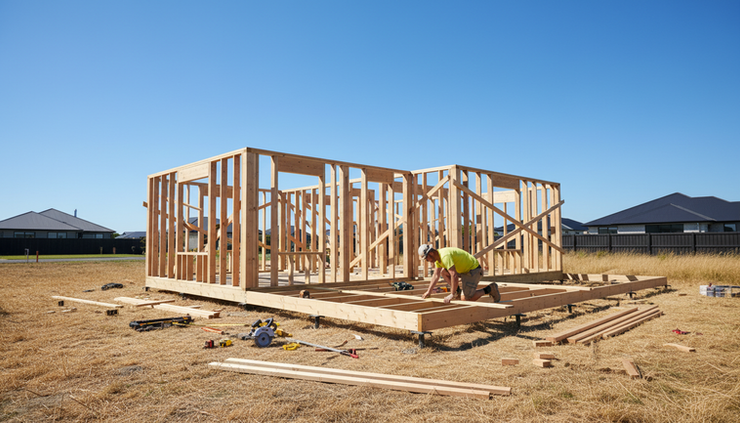
Summer gives builders the best working window
Canterbury weather can be tough on a building schedule. Winter brings shorter days, colder starts, wet ground, and the risk of frost. Even when indoor work can continue, some jobs slow down because materials need dry conditions or because access around the site becomes harder.
Summer changes that. Builders can make better progress on:
Foundations and earthworks
Framing and roofing
Exterior cladding
Decks, fences, and landscaping connections
Window and door installation
Weathertightness work
Longer daylight also gives crews more room to manage deliveries, inspections, and tasks that cannot be rushed. For homeowners, that makes summer feel like the safest time to book.
The problem is simple. The best building window has the most demand. Canterbury builders know this, so their diaries are often shaped around summer well before the season arrives.
The pre-Christmas rush starts earlier than most people think
Many people want work finished before Christmas, school holidays, visitors arriving, or time off at the end of the year. That creates a squeeze through spring and early summer.
A bathroom renovation that seems like a small project may still need a builder, plumber, electrician, waterproofer, tiler, painter, and inspection timing. A deck may need design decisions, material ordering, site preparation, and weather gaps. A larger alteration may need council consent before anyone picks up tools.
By the time someone rings around in November, a reliable builder may already have:
Existing client work booked through summer
A waitlist of quoted jobs
Subcontractors committed elsewhere
A planned break over the holiday period
Lead times for materials already affecting the schedule
That does not mean late bookings are impossible. It means there may be fewer choices, less flexibility, and a greater chance the work moves into autumn.
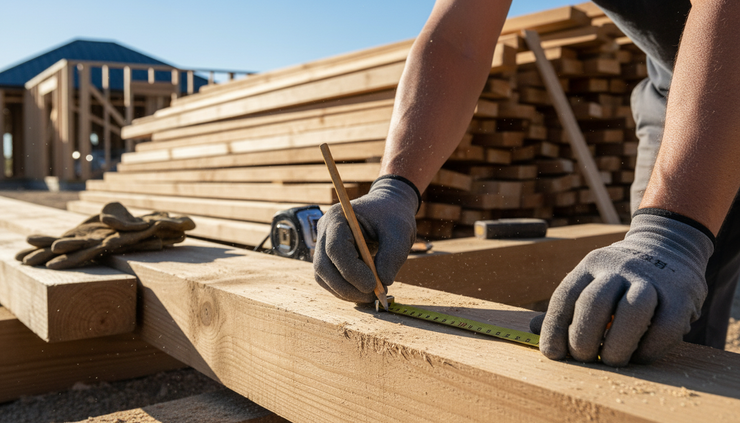
Good builders are managing more than one job
A strong builder is rarely working in isolation. Most manage a chain of people, materials, and approvals. Even a tidy renovation can depend on several moving parts.
For example, framing cannot start before site preparation is ready. Roofing cannot happen before the structure is prepared. Interior linings cannot go in before plumbing and wiring are completed. Tiling cannot start until waterproofing has been done and cured correctly.
Good builders plan this sequence carefully. They do not want to overbook, rush critical stages, or leave clients with half-finished work while they jump between too many sites.
That is one reason reputable builders may say no to a rushed summer job. A full diary can be a sign that they are protecting quality, not ignoring new work.
Canterbury has its own pressure points
Building in Canterbury brings a few local issues that can affect timing. Ground conditions vary across the region. Some homes need careful planning around foundations, drainage, or older structures. Weather can shift quickly, especially when hot, dry spells are followed by wind or rain.
There is also strong seasonal demand from homeowners who want to improve outdoor living. Decks, pergolas, sliding doors, kitchen upgrades, sleepouts, and open-plan living changes all become more urgent as summer approaches.
Then there are holiday homes, rental properties, and family homes where owners want work completed between tenancies, school terms, or travel plans. These timeframes often overlap, which adds more pressure to the same pool of skilled trades.
Early planning gives better builders a reason to say yes
The easiest way to secure a good builder is to make the job easier to understand. A vague enquiry can be hard to price and schedule. A clear enquiry helps a builder see whether the job fits their calendar.
Before reaching out, gather the basics:
A short description of the work
Photos of the current space or site
Rough measurements where useful
Any drawings, sketches, or plans
Your preferred start window
Your budget range, if known
Whether council consent may be needed
A builder does not need every answer on day one, but clarity helps. It also shows that the project is serious.
For summer work, starting conversations in winter or early spring is often far better than waiting until the weather turns warm. Larger projects need even more lead time, especially if design, engineering, consent, or specialist materials are involved.

Flexibility can make a project easier to fit in
The more fixed the dates, the harder it is to secure a builder. If work must start on one exact week, finish before a specific family event, and use a narrow list of materials, the available options shrink.
Flexibility helps in practical ways. A builder may be able to fit a project around another job if some parts can happen earlier, or if material choices are available sooner. A client who can make fast decisions on fittings, colours, and finishes also keeps the schedule moving.
Good areas to stay flexible include:
Start date
Material brands or product ranges
Staging the work
Temporary access around the property
Timing noisy work around neighbours, where possible
That does not mean accepting poor planning. It means leaving enough room for the builder to manage the real conditions of a building site.
A quote is not the same as a booking
One common mistake is assuming a project is secured because a builder has visited or sent a quote. Until there is a signed agreement, accepted scope, and agreed timing, the slot may not be held.
To avoid confusion, ask direct questions:
When could the work realistically start?
What needs to happen before the start date?
How long is the quote valid?
What deposit or contract step confirms the booking?
Who organises consent, subcontractors, and inspections?
What decisions need to be made before materials are ordered?
Clear answers protect both sides. They reduce the risk of misunderstandings when the season gets busy.
The cheapest available builder may not be the best summer choice
When diaries are full, it can be tempting to choose whoever is free soonest. Sometimes that works out. Other times, a sudden opening can be a warning sign.
A reliable builder should be able to explain their process, show relevant experience, communicate clearly, and provide a written quote or contract. They should also be upfront about constraints, including weather, consent timing, and subcontractor availability.
Availability matters, but trust matters more. A rushed summer start is not worth poor workmanship, unclear costs, or a messy site that drags on far longer than expected.

The best time to book is before summer feels close
Summer building success usually starts well before summer. The earlier the planning begins, the better the choice of builders, dates, materials, and project approach.
For small outdoor jobs, early spring may be enough if the scope is simple. For renovations, extensions, consented work, or anything involving several trades, planning months ahead gives the project a much better chance of landing in the right season.
A good builder’s full diary is not bad news. It is a signal to get organised sooner, ask clearer questions, and lock in the details before the rush begins. If summer is the goal, the smartest move is to start while everyone else still thinks there is plenty of time.


Comments