
Canterbury Homeowners Guide to Ceiling and Underfloor Insulation Before Winter Ends
A Canterbury winter has a way of finding every weak point in a home. Cold air settles under timber floors. Heat slips through thin ceiling insulation. A southerly change can turn a living room from comfortable to chilly before dinner.
Ceiling and underfloor insulation are two of the most practical upgrades a home can have before winter is over. They do not need to be visible to make a difference. When they are installed well, the house holds heat for longer, rooms feel more even, and heaters do not have to work as hard.
For many Canterbury homes, especially older villas, bungalows, and mid-century houses, the question is not whether insulation helps. It is whether the existing insulation is still doing enough.

Why ceiling and underfloor insulation matter in Canterbury
Canterbury homes face a particular mix of winter conditions. Cold nights, damp ground, frosts, wind, and sharp temperature drops all put pressure on the building envelope. Even when the daytime sun warms a north-facing room, the heat can disappear quickly once the sun goes down.
Heat loss in a home usually happens through several routes, including windows, walls, roofs, floors, gaps, and draughts. Ceiling insulation matters because warm air rises. If the roof space has thin, patchy, compressed, or missing insulation, heat can leave the living areas quickly.
Underfloor insulation matters for a different reason. Many Canterbury homes have suspended timber floors with a ventilated crawl space underneath. That design helps reduce moisture build-up under the house, but it can also let cold air move beneath the floorboards. Without effective insulation, floors feel cold underfoot and rooms can become harder to heat.
Good insulation helps with:
Warmth
Rooms stay warmer for longer after the heater is turned down.
Energy use
Heating systems can run less often or at a lower setting.
Comfort
The difference between the floor, walls, and air temperature becomes less noticeable.
Moisture control
Insulation, when paired with good ventilation and ground moisture control, can help reduce cold surfaces where condensation forms.
Long-term value
A warmer, drier home is generally easier to live in and more appealing when it comes time to rent or sell.
Insulation will not fix every winter comfort problem by itself. Draughts, single glazing, damaged roof spaces, blocked vents, and poor heating choices can still affect performance. But ceiling and underfloor insulation are often the foundation that makes every other heating improvement work better.
Signs your home may be under-insulated
Some houses make the problem obvious. Others hide it until a proper inspection. If winter has felt harder than it should, these signs are worth taking seriously.
The home cools down quickly after heating
A well-insulated room should hold warmth for a reasonable time once the heater is switched off. If the temperature drops quickly, heat may be escaping through the ceiling, floor, or gaps around the house.
This is common in homes where ceiling insulation has settled over time. Older insulation can become thin, uneven, or displaced by past electrical, plumbing, or roof work.
Floors feel cold even when the room is warm
Cold floors are often a clue that underfloor insulation is missing, damaged, or poorly fitted. Rugs can help comfort, but they do not replace proper insulation under the floor.
In Canterbury, this can be especially noticeable in bedrooms, hallways, and living areas over exposed subfloors. Cold air moving through gaps in the floor structure can make the whole room feel colder than the thermostat suggests.
Heating bills are higher than expected
No two homes use energy the same way, so bills alone do not prove an insulation problem. Still, if heating costs keep rising and the home still feels cold, it is worth checking whether heat is being lost before it has a chance to do its job.
An assessment can show whether the issue is missing insulation, old insulation, draughts, moisture, or a mix of factors.
Some rooms are much colder than others
Uneven temperatures can point to patchy insulation. A bedroom below a poorly insulated roof space may feel colder than a living room with better coverage. A room over an exposed subfloor may lose warmth faster than one over a garage or concrete slab.
Room-by-room differences also matter because people often respond by overheating one area to make another bearable. That can waste energy without fixing the cause.
There is condensation, dampness, or a musty smell
Insulation is only part of the moisture story, but it can affect surface temperatures. Cold surfaces are more likely to collect condensation. If damp air is already present, poor insulation can make the problem more visible.
Underfloor moisture is especially important. If the ground under the house is damp, underfloor insulation may need to be considered alongside a ground moisture barrier and ventilation checks.
What to know about ceiling insulation before winter ends
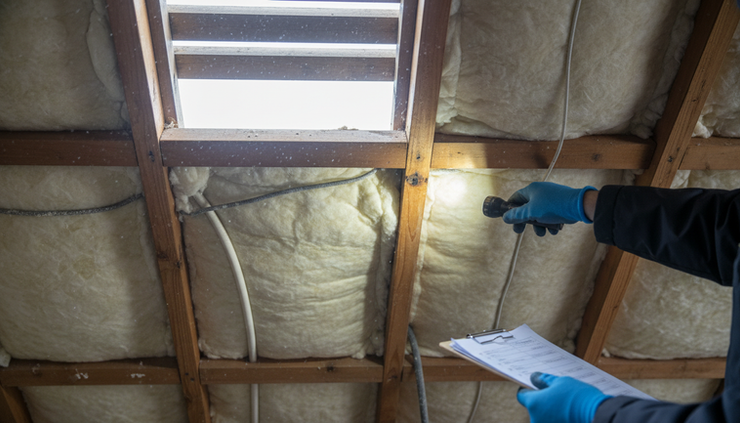
Ceiling insulation is often the highest-impact place to start because heat rises into the roof space. If access is safe and the roof cavity allows it, an installer can usually assess depth, coverage, condition, and gaps.
The main issues found in Canterbury homes include:
Insulation that is too thin
Older products may not meet current expectations for thermal performance.
Gaps around downlights, wiring, or framing
Even small areas of missing insulation can create heat-loss points.
Compressed insulation
Bulk insulation works by trapping air. When it is squashed, it performs less effectively.
Insulation moved by trades or storage
Roof spaces sometimes become storage areas. Boxes, boards, and foot traffic can damage coverage.
Moisture or pest damage
Wet or contaminated insulation needs careful handling and may need replacement.
The goal is not simply to add more material anywhere it fits. The installation must keep clearances around electrical fittings where required, avoid blocking ventilation paths, and suit the home’s construction.
A good ceiling insulation assessment should look at the whole roof space, not just the easy area near the hatch. Corners, low-pitch sections, and additions are the places where problems often hide.
What to know about underfloor insulation
Underfloor insulation is installed beneath suspended timber floors, usually between joists. In many Canterbury homes, that means working in a crawl space. The job can be straightforward in houses with good access, but it becomes more complex where clearance is tight, the ground is wet, or old services run close to the floor framing.
Good underfloor insulation needs to stay in firm contact with the underside of the floor. If it sags, gaps open up and cold air can move between the insulation and floorboards. That reduces performance and can leave the floor feeling cold.
Common underfloor issues include:
Loose or fallen insulation
Missing sections around pipes and wiring
Damp ground under the house
Poor access to parts of the subfloor
Damaged timber, pests, or old building debris
Wind washing, where moving air reduces the insulation’s effectiveness
A proper inspection should also check whether a ground moisture barrier would help. Many suspended floors benefit from reducing moisture rising from the soil. This is especially relevant where there is bare ground under the house.
Underfloor work is not only about warmth. It can improve the general feel of the home. Cold floors can make people turn heaters up even when the air temperature is acceptable. Warmer floors often make the room feel more comfortable at a lower thermostat setting.

Why insulation can be cost-effective
Insulation is not the most glamorous home upgrade, but it is one of the few that can improve daily comfort every winter. Once installed, it works quietly in the background. It does not need to be switched on. It does not rely on a particular power plan. It supports whatever heating system the home already uses.
The cost-effectiveness comes from three things.
The first is reduced heat loss. When less heat escapes, the home can need less energy to reach and maintain a comfortable temperature. The exact saving varies by house, heating habits, insulation condition, and weather.
The second is improved comfort. A home that feels warmer and more even may reduce the need for extra plug-in heaters, long heating periods, or very high temperature settings.
The third is durability. Quality insulation, installed correctly and kept dry, can perform for many years. That makes it different from short-term winter fixes such as thicker curtains, draught snakes, or extra rugs. Those can still help, but they do not replace the building-level benefit of insulation.
For a Canterbury house with little or no existing coverage, ceiling and underfloor insulation can be a sensible first step before investing in larger heating upgrades. A bigger heat pump in a poorly insulated home may still struggle because the heat keeps escaping. Improving the thermal envelope can make existing heating more effective.
Grants and low-interest loans may be available
Many homeowners put off insulation because they expect the full cost to land at once. In New Zealand, grants, subsidies, and low-interest lending options are often available, especially for eligible households or certain types of energy-efficiency upgrades.
Availability changes over time, and eligibility can depend on factors such as income, location, home ownership, house age, and the type of work being done. Some support may come through government-backed programmes, local initiatives, banks, or energy-efficiency finance options.
This is general information only, not financial advice. Before committing, check current terms, eligibility, repayment costs, and approved installer requirements.
When looking at funding, ask these questions:
Does the grant or loan cover ceiling insulation, underfloor insulation, or both?
Does the work need to be completed by an approved installer?
Is a home assessment required first?
Are moisture barriers, draught stopping, or ventilation improvements included?
What paperwork is needed before work starts?
Are there repayment costs, fees, or conditions?
A reliable assessor should be able to point you towards current options or explain what information you will need. Even if only part of the project is covered, support can make it easier to act before another cold season arrives.
Why the end of winter is a smart time to act
It is tempting to wait until spring and forget about insulation once the weather improves. That is exactly how many homes go through another winter with the same problems.
Late winter is a useful time to assess the house because the symptoms are fresh. You know which rooms were cold, where condensation formed, which floors felt icy, and how hard the heating system had to work. Those details help an assessor understand the home’s real behaviour, not just how it looks on a mild day.
There is also a practical advantage. Booking before the next cold season gives more time to compare options, check funding, arrange access, and complete any preparation work. If the assessment finds damp subfloor ground, damaged insulation, or electrical clearance issues, those can be dealt with before the next winter rush.
Canterbury weather can turn quickly. A home that feels acceptable in March may feel uncomfortable after the first cold snap. Acting before winter is fully out keeps the problem visible and gives the household a better chance of heading into the next season prepared.

What a good insulation assessment should include
A proper assessment should be clear, practical, and specific to the house. It should not be a quick glance through the ceiling hatch followed by a generic quote.
Expect the assessor to look at:
Ceiling insulation depth, coverage, condition, and access
Underfloor access, existing insulation, moisture, and ground conditions
Gaps, draught points, and obvious heat-loss areas
Ventilation and moisture concerns
Electrical fittings and safety clearances
Practical installation constraints
Funding or finance options that may apply
Photos can be useful, especially for roof spaces and subfloors. They help show what is actually happening in places most homeowners do not want to crawl into.
A good recommendation should explain what needs doing, why it matters, and whether anything should happen before insulation is installed. For example, underfloor insulation may not be the first step if the subfloor is wet or access is unsafe. Ceiling insulation may need careful treatment around older downlights or wiring.
The best outcome is not the thickest product or the quickest install. It is the right insulation, fitted properly, in a home that is ready for it.

Get the house checked while winter is still fresh
Cold floors, fast heat loss, damp corners, and rising heating costs are not just winter annoyances. They are clues about how the house is performing.
For Canterbury homeowners, ceiling and underfloor insulation can make a clear difference to warmth, comfort, and heating efficiency. It is often one of the most sensible upgrades to investigate before spending more on heating alone.
If winter has shown where your home is struggling, book an insulation assessment before the season slips away. A clear check of the ceiling space, underfloor area, moisture conditions, and funding options will show what is worth doing now and what can wait.


Comments